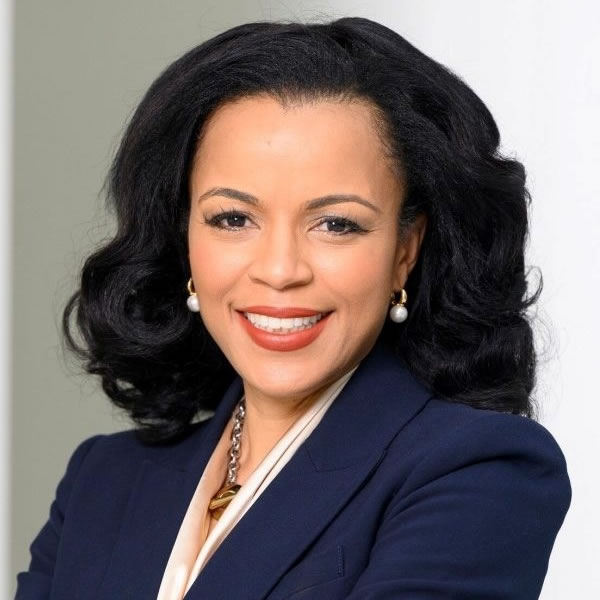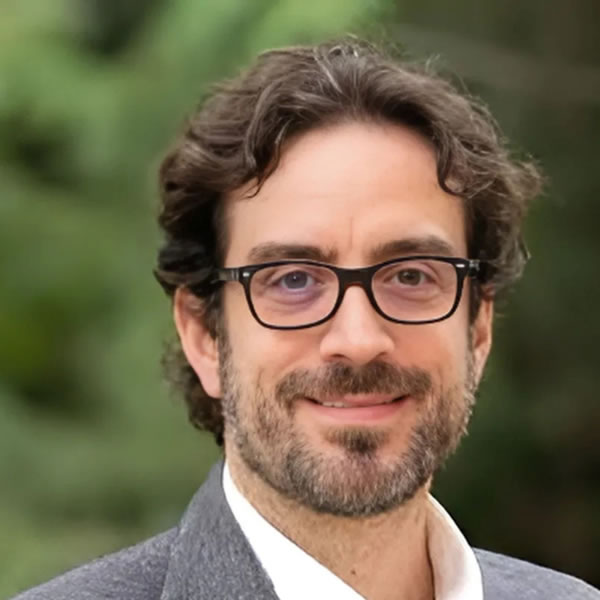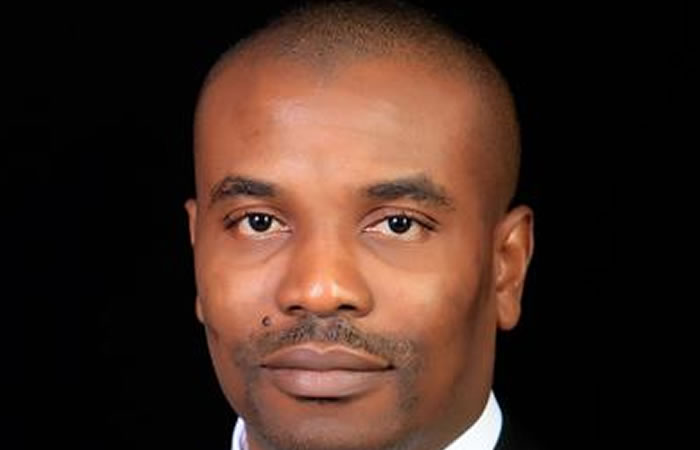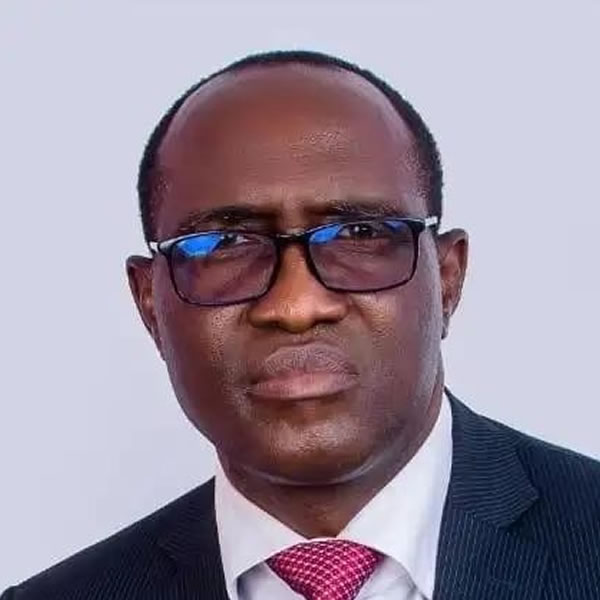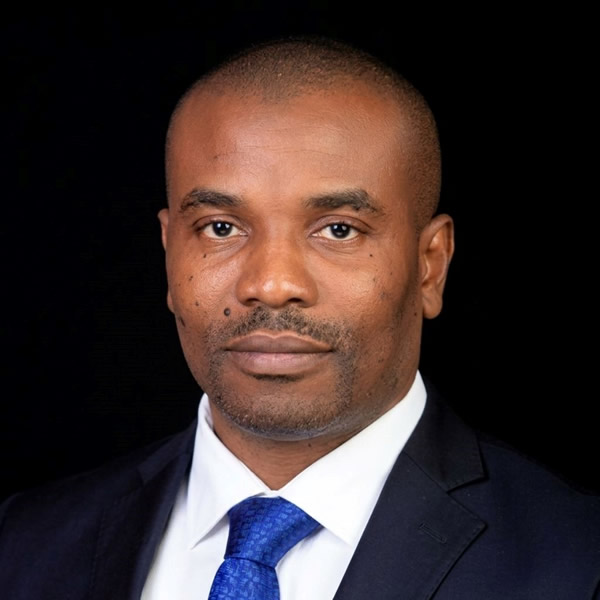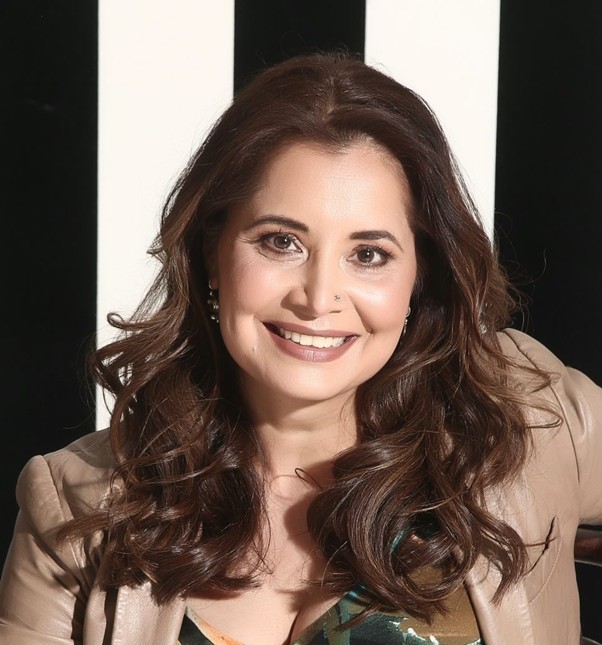
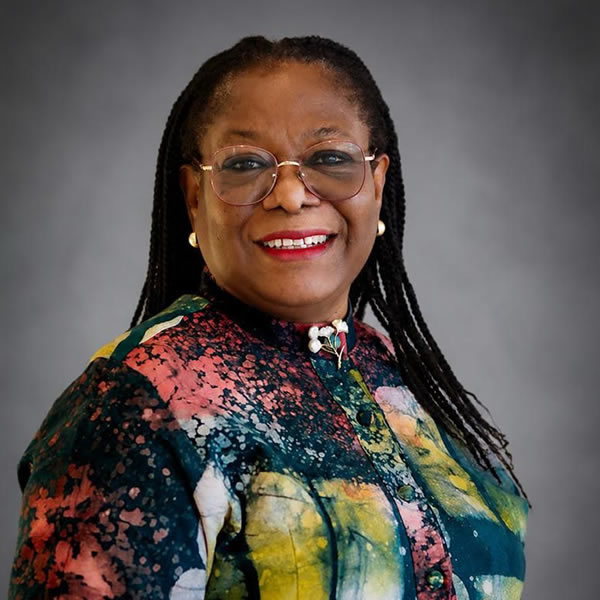
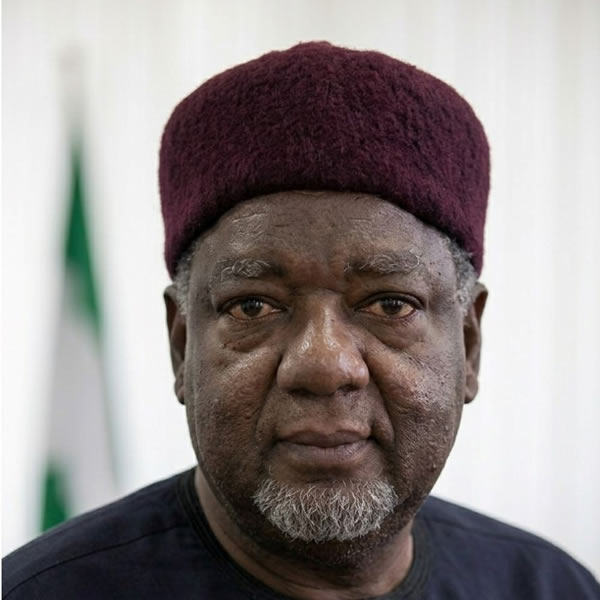


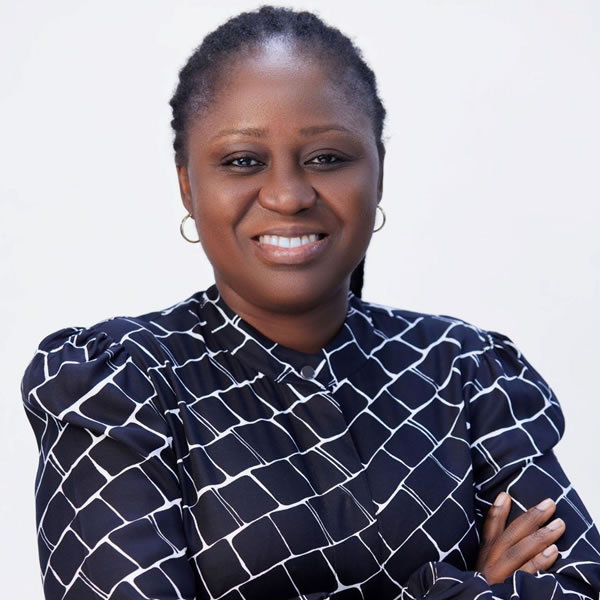


Dr. Iniobong Abiola-Awe is a distinguished environmental scientist and accomplished climate policy expert with over two decades of impactful service across government, international organizations, and the private sector. As the Director of the Department of Climate Change at the Federal Ministry of Environment, Nigeria, she has provided exemplary leadership in shaping and advancing the nation’s climate agenda at both national and global levels.
Dr. Abiola-Awe has played a pivotal role in leading Nigeria’s participation in international climate negotiations, including the United Nations Framework Convention on Climate Change (UNFCCC) Conferences of Parties. Her tenure as Nigeria’s National Focal Point to the UNFCCC further underscores her strategic influence in global climate governance. Under her leadership, Nigeria recorded significant milestones, including strong representation at COP27 and the advancement of key national frameworks.
Her contributions to climate-smart development are profound. She has led the development of critical national instruments such as the National Adaptation Plan and the alignment of Nigeria’s Nationally Determined Contributions (NDCs) with the Energy Transition Plan and the Long-Term Low Emissions Development Strategy (LT-LEDS). She has also championed innovative initiatives such as the Deep Decarbonization Project and Nigeria’s Green Hydrogen development agenda.
Beyond policy, Dr. Abiola-Awe has consistently driven stakeholder engagement, capacity building, and public awareness on climate change, fostering inclusive and sustainable solutions. Her work reflects a strong commitment to evidence-based research, environmental sustainability, and socio-economic resilience.
A recipient of numerous national and international awards, Dr. Abiola-Awe’s career exemplifies excellence in climate leadership, policy advocacy, and sustainable development, making her a worthy nominee for the Honorary Fellowship of the Institute for Climate Smart Research and Policy Advocacy (ICSR-PA).
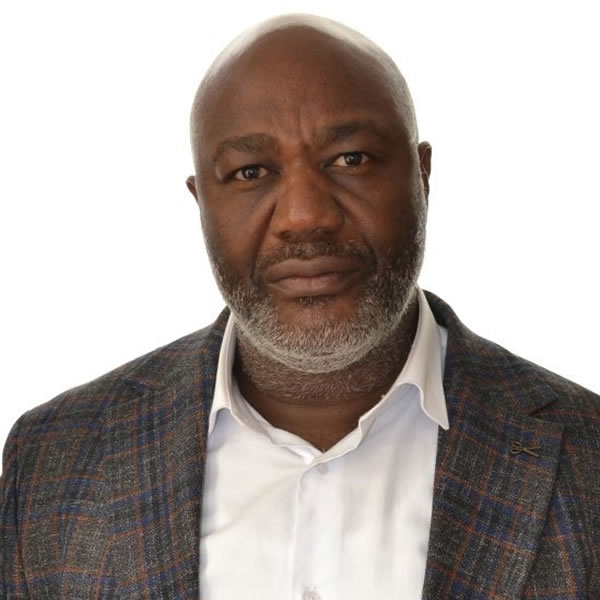
Dr Wale Aboyade is a Fellow of the Energy Institute with over 20 years of experience spanning the public and private sectors, specialising in policy, engineering, and commercial aspects of climate-resilient infrastructure, particularly within the energy sector. His extensive expertise has been honed through diverse roles as an engineer,
banker, academic, developer, investor, and development expert. Prior to joining Sun King, Wale held key leadership roles at GEAPP, where he played a critical role in shaping GEAPP's investment strategy in Africa and beyond, including initiatives such as Mission 300. Previously, he led USAID’s energy and infrastructure portfolio across 12 countries in Southern Africa, overseeing the deployment of more than $100 million in development assistance.
.Earlier in his career, he served as Head of South Africa’s Climate Innovation Centre, the country’s premier cleantech incubator. He is also the co-founder of Protergia Energy Nigeria, a leading distributed renewable energy company operating in West Africa. Wale holds an honours degree in Civil Engineering from Nigeria, a master’s degree in
Environmental and Sustainability Science from Lund University in Sweden, and a PhD in Chemical Engineering from Stellenbosch University, South Africa.
Tayo Ajayi is a Vice President at the Nigeria Sovereign Investment Authority (NSIA), leading Climate and Sustainability investments under its US$1.1 billion Nigeria Infrastructure Fund. With over 20 years of experience, he specializes in developing, structuring, and financing infrastructure projects across energy, agriculture, transport, and oil & gas.
At NSIA since 2019, he has led and managed several major initiatives, including:
• Execution of projects under the US$1.4 billion Presidential Infrastructure Development Fund
• A US$50 million Agriculture Development Fund
• A US$500 million carbon reduction and mitigation platform
• Establishment of national and pan-African infrastructure focused funds
• NSIA capital raise program
Previously, he served as Assistant VP at Africapital, helping raise US$300 million to acquire Eko Electricity Distribution Company. He also held roles as Compliance Officer at West African Infrastructure Investment Managers and earlier worked with PwC Nigeria and British Gas UK.
He holds a BSc in Business Finance, a Diploma of Higher Education from Salford Business School, and is an ACCA professional-level student.
Head of Carbon Market Programmes and Policy at the UK Department for Energy Security and Net Zero. Helen Finney is Head of Carbon Market Programmes and Policy at the United Kingdom’s Department for Energy Security and Net Zero where her team oversees the UK’s International Climate Finance contributions to multiple carbon pricing and market programmes and delivers cross-cutting carbon markets work. She previously worked as a UNFCCC Negotiator where she represented the UK in negotiations on Article 6 of the Paris Agreement, and has held previous climate roles at the UK Treasury and in the private sector.
His Excellency Dr. Peter Ndubuisi Mbah is the Governor of Enugu State, Nigeria, and a distinguished lawyer, entrepreneur, and public sector reformer with extensive experience spanning business leadership, governance, and economic development.
Before assuming office as Governor in May 2023, Dr. Mbah built a successful career in the private sector as Founder and Chief Executive Officer of Pinnacle Oil & Gas Limited, one of Nigeria’s leading indigenous energy companies. Under his leadership, the company developed major petroleum infrastructure projects that enhanced energy logistics and supply-chain efficiency in West Africa.
Dr. Mbah holds a Bachelor of Laws degree from the University of East London, a Master’s degree in Maritime Law from Lagos State University, and an MBA from IESE Business School, University of Navarra, Spain. He has also completed executive programmes at Oxford University’s Saïd Business School, Lagos Business School, Harvard Business School, and Stanford Graduate School of Business.
His public service experience includes serving as Chief of Staff and later Commissioner for Finance and Economic Development in Enugu State, where he played a pivotal role in fiscal reforms, economic planning, and public sector modernization.
As Governor, Dr. Mbah is leading an ambitious agenda focused on economic transformation, sustainable infrastructure, human capital development, digital innovation, and private-sector-led growth. His administration has prioritized investments in education, healthcare, agriculture, clean water, transportation, and climate-resilient infrastructure, while advancing policies aimed at creating a more competitive, inclusive, and sustainable economy.
A strong advocate for sustainable development, Dr. Mbah has championed initiatives in climate-smart agriculture, environmental sustainability, renewable energy adoption, and green infrastructure as part of his vision to position Enugu State as a leading destination for investment and sustainable growth in Africa.
In recognition of his contributions to leadership and development, he has received several national and international honours, including honorary doctoral degrees and multiple awards for excellence in governance, public sector innovation, and economic transformation.
Married to HE Mrs. Nkechinyere Mbah and blessed with four children, Dr. Mbah is an avid reader, fitness enthusiast, and believer in the transformative power of visionary leadership. His governing philosophy is captured in the phrase that has become synonymous with his administration:
“Tomorrow Is Here.”
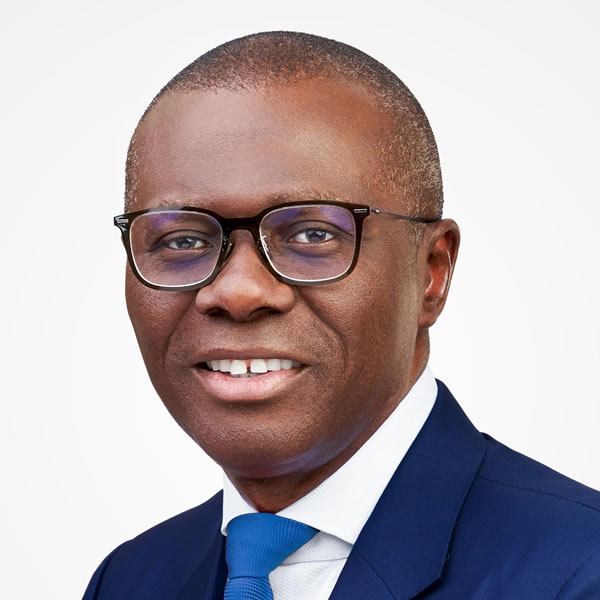
Mr. Babajide Olusola Sanwo-Olu is the 15th Governor of Lagos State, Nigeria’s commercial nerve center and one of Africa’s leading subnational economies. Since assuming office in 2019 and securing re-election in 2023, Governor Sanwo-Olu has positioned Lagos as a prime destination for investment, infrastructure development, and innovation. With an extensive background in banking and public administration, Governor Sanwo-Olu brings a results-driven, private-sector approach to governance.
Before joining the public service, he held leadership roles in the financial sector, retiring as a General Manager at one of Nigeria’s top commercial banks. His deep understanding of finance, economic planning, and corporate governance has informed his administration’s strategic initiatives to drive business growth, public-private partnerships (PPPs), and sustainable urban development. Governor Sanwo-Olu holds a Bachelor’s degree in Surveying & Geo-Informatics and an MBA in Management from the University of Lagos. He is an alumnus of globally recognized institutions, including the Harvard Kennedy School of Government, London Business School, and the Lagos Business School. He is also a member of the Nigerian Institute of Directors (IoD) and a Fellow of the Nigerian Institute of Training and Development (NITAD), reflecting his commitment to corporate governance and human capital development.
Tariye joined CIF in March 2024 as Chief Executive Officer. Prior to this appointment, she was CEO of ARM-Harith Infrastructure Investments, a leading Pan-African infrastructure fund investing in energy transition and climate-resilient infrastructure. As well as the Co-Chair of the Voluntary Carbon Markets Integrity Initiative (VCMI), an international organization enabling end-to-end high-integrity voluntary carbon markets for climate action.
Tariye has global experience from the International Monetary Fund’s Western Hemisphere Department, the Boston Consulting Group, and Price Waterhouse Coopers. She has served in multiple climate and economic development organizations including as a member of the Climate Policy Initiative’s Global Innovation Lab for Climate Finance, member of the Infrastructure Advisory Committee for the United Nations Principles for Responsible Investing (PRI); Member of the African Advisory Board of the Glasgow Financial Alliance for Net Zero (GFANZ); member of the Board of Advisors – Columbia University Center on Global Energy Policy and member of the Advisory Council of the Millenium Challenge Corporation. She holds a bachelor’s degree in economics from Amherst College, and an MBA from the Harvard Business School.
Prof. Chukwumerije (Chuks) Okereke is a Professor in Environment and Development at the Department of Geography and Environmental Science, University of Reading. He is also the Co-Director of the University of Reading Leverhulme Doctoral Training Programme on Climate Ethics and Justice. Previously, he was a Senior Research Fellow and Head of Climate and Development Centre at the Smith School Enterprise and the Environment, University of Oxford. He remains a visiting fellow at the Smith School and Oxford University’s Environmental Change Institute (ECI).
Chuks is a renowned climate policy analysis and development specialist. His research covers three key areas: Justice and ethical dimensions of global climate change politics; Corporate climate strategies and the political economy of climate governance; and Low carbon transformation and international development
Chuks was a Lead Author on the IPCC AR5 Assessment Report on Equity and Sustainable Development. Between 2011 and 2013 he held a Leverhulme Fellowship on ‘the governance of low carbon development in Africa.’ He has been engaged in teaching, research and consultancy activities focusing on climate politics and governance for over 15 years.
Pablo Vieira is the Global Director of the NDC Partnership Support Unit. In this role, Pablo leads efforts that build momentum for ambitious climate and development actions, in collaboration with governments and international stakeholders around the world. Pablo develops and executes activities that help countries advance climate goals by facilitating access to analysis, tools, expertise, financing, and other resources.
Pablo is a leading figure in the environmental, green growth, and sustainable rural development sectors in Colombia. Before joining the NDC Partnership, he served as an Advisor to President Juan Manuel Santos, managing Colombia’s accession to the Organization for Economic Cooperation and Development (OECD) and supporting the coordination and implementation of national and international commitments on the environment and climate change.
In 2013, Pablo was appointed as Deputy Minister of Environment and Sustainable Development, responsible for the formulation, adoption, and implementation of all environmental and sustainable development strategies, policies, and regulations, with a special emphasis on climate change, water management, biodiversity, and ecosystem services.
Pablo also has wide experience working for the private sector in the fields of innovation and technology development for the petrochemical industry.
Pablo is a Chemical Engineer from Colombia’s National University and holds a Ph.D. from the Department of Chemical and Biomolecular Engineering at Tulane University in New Orleans.
I build the financial infrastructure that moves capital toward planetary solutions — and I have spent 25
years proving it can be done at scale.
My career began on the trading floor at Dresdner Kleinwort Benson, structuring derivatives across
Frankfurt, Singapore, and New York during the Asian financial crisis. Doctoral research in Environmental
Economics at the University of St. Gallen pulled me toward a different question: how do we channel the
sophistication of capital markets toward the planet?
In 1999, as Founding Managing Director of the Dow Jones Sustainability Group Index, I helped create
the first credible benchmark proving sustainability and financial performance were not opposites. That
index now underpins more than $35 trillion in global assets.
Since then I have helped shape the standards behind GRI, SASB, and ISSB at the WBCSD; designed the
ESGenome methodology adopted by Singapore’s Stock Exchange and Monetary Authority for 700+ listed
companies; and founded Impact 2030, mobilising 40+ multinationals representing five million employees toward the SDGs. Most recently, as Director of Sustainable Finance at BDO UK, I advised on $5+ billion in climate capital deployment for the Rwanda Green Fund, the Green Climate Fund, and the Climate Investment Fund, represented BDO to the TNFD, and serve as Non-Executive Director of Planet Tracker and Carbon Tracker.
This is precisely the work that drives Bankers without Boundaries and Bankers for Net Zero: applying
capital-markets expertise to mobilise finance for nature, climate, and a just transition; convening banks,
regulators, and policymakers around scalable, cross-sector solutions; and removing the structural
roadblocks that slow decarbonisation.
The science, regulation, and investor demand have decided that climate and nature finance will scale.
The only question is whether we build the infrastructure in time. I am ready.
Eniola Akinsete is Chief Sustainability Officer and Divisional Head, Sustainability at Bank of Industry (BOI), Nigeria’s foremost development finance institution, where she leads the Bank’s climate finance strategy, ESG governance, and climate resource mobilization agenda. She spearheaded BOI’s accreditation as Nigeria’s first and only National Implementing Entity for the Adaptation Fund establishing a direct access channel for international climate adaptation finance. She oversees climate-themed concessional credit lines and technical assistance programmes and is working to expand the Bank’s lending to Nigeria’s climate mitigation and adaptation economy in line with its newly adopted Sustainable Financing Framework.
As the Bank’s Sustainability Champion, Eniola leads implementation of BOI’s decarbonisation strategy in alignment with Nigeria’s Nationally Determined Contributions, deploying initiatives spanning energy transition, waste management, and emissions reduction across the institution. She pioneered BOI’s first ESG Conference, a landmark platform that convened Nigerian MSMEs to build awareness and capacity around ESG adoption, and authored the 2025 State of ESG Adoption by Nigerian MSMEs report, which provides the first structured baseline of ESG practices across Nigeria’s small business sector and is informing both ecosystem collaboration and BOI’s product development agenda.
Beyond climate finance, Eniola has a deep track record in designing and implementing large-scale development programmes that have been implemented nationwide in Nigeria. She has pioneered innovative financing products that reach underserved communities at scale, including an agriculture aggregation instrument that has disbursed over USD 40 million to more than 300,000 smallholder farmers across Nigeria. Prior to BOI, Eniola was a Senior Manager in the Capital Projects & Infrastructure practice at PwC Nigeria, advising public and private sector clients across power, healthcare, oil & gas, and real estate on feasibility, transaction structuring, and capital raising. Eniola brings over 20 years of experience across development finance, blended finance, and innovative financing. She holds an MBA from IE Business School, Spain, and a BSc. in Computer Engineering from Obafemi Awolowo University, Nigeria.
Over the course of his career, Mr Yadav has held several senior leadership and advisory roles within international and national institutions. These include serving at the World Bank Group in Washington, D.C., where he represented the constituency of India, Bangladesh, Bhutan and Sri Lanka, as well as senior responsibilities within the Government of India. A member of the Indian Revenue Service, he had served as Officer on Special Duty to the President of India and as Director to the Union Finance Minister of India, contributing to national policy reforms in public finance, taxation, higher education, diplomacy and digital governance.
Mr Yadav is widely recognised for his work at the intersection of technology, sustainability and development, including advancing platform-based approaches to mobilising climate finance for small and vulnerable states and promoting the responsible use of emerging technologies to deliver global public goods. He has also played a leading role in shaping international dialogue on AI for development, climate resilience, and Global South cooperation and is regular speaker on International Forums.
He is the author of a book on Foreign Direct Investment (FDI) and has been a frequent speaker at high-level global forums. Mr Yadav is an alumnus of IIT Delhi, Dayalbagh Educational Institute, the Indian School of Business, Johns Hopkins University, Duke University, and the German Development Institute, Bonn.
Trevor Hutchings, Chief Executive of the Renewable Energy Association (REA) brings a wealth of policy, industry and commercial experience across the clean energy transition and circular economy. Trevor’s previous roles include the UK civil service, European Commission and international consultancy firms. He was also chair of the Green Purposes Company set up by the UK government to safeguard the green mission of the world’s first Green Investment Bank.
He is a Fellow at the Institute of Sustainability and Environmental Professionals, a Fellow at the Energy Institute, and holds the IoD’s certificate in corporate governance. Under Trevor’s leadership, the Renewable Energy Association is a leading voice for clean energy and the circular economy, helping grow this vital sector of the UK economy.
Dr. Eugene O. Itua, PhD, is one of Africa’s foremost authorities on sustainability, climate governance, natural capital, and green economic transformation. With over 28 years of multidisciplinary leadership, he has shaped national climate policy, strengthened institutional systems, and advanced nature‑positive development across West Africa.
He co‑led the development of the Nigeria Climate Change Act (2021) and served as National Project Coordinator/Consultant for Nigeria’s Long‑Term Vision 2050 (LTV 2050) and the Long‑Term Low Emissions Development Strategy (LT‑LEDS). He also led the Circular Economy component of Nigeria’s NDC 3.0, embedding regenerative economic principles into national climate commitments. Internationally, he has supported climate‑governance reforms in The Gambia and contributed to UNDP’s Climate Promise in Eswatini.
Dr. Itua is the originator and architect of the FIPRE™ Standard—the Function, Impact, Prosperity, Resilience, and Equity Framework—an integrity‑first, non‑compensatory diagnostic system that provides a preventive, quantitative early‑warning mechanism for evaluating infrastructure and engineering projects. FIPRE™ is transforming how governments, DFIs, regulators, and investors assess development integrity, accountability, and long‑term resilience.
He is also leading the development of the Africa Green Opportunity Index (AGOI™), an Africa‑centric, risk‑adjusted scoring system that provides investors with clear, data‑driven visibility into credible climate‑aligned opportunities across the continent.
Dr. Itua serves as a consultant to the World Bank, AfDB, and the Global Centre on Adaptation (GCA), and developed Nigeria’s GCF No‑Objection Procedure Manual, strengthening national readiness for climate finance.
His work continues to shape Africa’s climate‑resilient, investment‑ready future.
Damilola Ogunbiyi is the CEO and Special Representative of the UN Secretary-General (UN SRSG) for Sustainable Energy for All, and Co-Chair of UN-Energy. She was recognized in the 2024 TIME100 Climate list as one of the 20 titans in climate; she is the recipient of the First Class Order of Zayed II from the UAE President in recognition of her contribution to the success of the climate conference, COP28; she also received the Global Female Leadership Impact (GFLI) Award in 2024 and the Energy Institute President’s Award for 2023, in recognition of her continued role in solving critical global issues. She has been recognized as a trailblazer in her field by Reuters’ Trailblazing Women in Climate and Reuters’ Trailblazing Women in Energy, among others.
With Mrs. Ogunbiyi at the helm, Sustainable Energy for All (SEforALL) has entered into working relationships with over 200 partners, supported over 90 countries globally, and secured commitments of more than $1.4 trillion in energy finance. This has been achieved through programmes such as Universal Energy Facility, Powering Healthcare, Women and Youth at the Forefront, Cooling for All, and Clean Cooking; and innovative initiatives such as UN Energy Compacts, Energy Transition Plans, Universal Integrated Energy Plans, the Africa Carbon Markets Initiative (ACMI), and the Renewable Energy Manufacturing Initiative (REMI) among many others. Through her leadership, SEforALL has grown its global influence and country support providing clear pathways to accelerate progress towards universal energy access, ending energy poverty, and advancing the global just and equitable energy transition.
SEforALL collaborates closely with the World Bank and the African Development Bank (AfDB), The Rockefeller Foundation and Global Energy Alliance for People and Planet (GEAPP) on Mission 300, the ambitious initiative to electrify 300 million Africans by 2030. Mrs Ogunbiyi is the Co-Chair of the Mission 300 Joint Working Group (JWG), and SEforALL supports Mission 300’s operational framework and strategy through this JWG, as well as collaborating with partner countries to mobilize local financing and improve energy access planning data, enhancing the overall initiative’s success.
Prior to joining SEforALL, Mrs. Ogunbiyi was the first female Managing Director of the Nigerian Rural Electrification Agency where she initiated the Nigerian Electrification Project, a $550 million facility which is a joint World Bank and African Development Bank programme that to date has provided energy access to over 8 million people across Nigeria. She also conceptualised the Energizing Economies Initiative, estimated to impact 1.2 million SMEs.
Before joining the Federal Government of Nigeria (FGN), Mrs. Ogunbiyi was the first female General Manager of the Lagos State Electricity Board. Under her leadership, over 100 megawatts of decentralized energy projects supplying electricity to Lagos State hospitals, schools, and government facilities were completed.
Mrs. Ogunbiyi currently serves as a member of the World Bank’s Private Sector Investment Lab, a member of the European Investment Bank Climate and Environment Advisory Council, a member of the Global Leadership Council (GLC) of the Global Energy Alliance for People and Planet (GEAPP), an Advisory Board member of the Center on Global Energy Policy at Columbia University, a member of the Development Advisory Council of the U.S. International Development Finance Corporation (DFC), a member of the Clean Cooking Alliance Advisory Board, a member of the WHO High Level Coalition on Energy (HEPA), and an advisory council member of the Women in Sustainability, Environment and Renewable Energy Advisory Council (WISER). She was part of the COP28 Advisory Committee and was Co-Chair of the COP26 Energy Transition Council (ETC).
She is a global leader and advocate for the achievement of the Sustainable Development Goals (SDGs), and is passionate about achieving SDG7, which calls for access to reliable, affordable, sustainable, and modern energy for all by 2030.
Oke Epia is the Founder and CEO of SOStainability, co-convener of the Nigeria Climate Investment Summit (NCIS) London. He has over 23 years of combined experience in sustainability, public policy, parliamentary practice, strategic communications, and journalism. He has worked in the private, public, and non-profit sectors in Nigeria and the United Kingdom.
A relentless and resilient serial entrepreneur, social crusader, and passionate development practitioner, Oke is credited and closely associated with several innovations, convenings, and policy reforms. With SOStainability, he is helping to tilt the scales of climate justice, adaptation, and mitigation resourcing through productive connections between the Global North and South.
Ashutosh (Ash) Shastri is the founder of EnerStrat Consulting – a London based international strategic management consultancy practice in the Energy Sector. He set up EnerStrat Consulting to advise clients specifically about the ‘Energy Transition’ which to some extent he foresaw when he set up his practice in 2003. The phrase “Energy Transition” had not been coined then.
Ash also serves as Advisor, Global Gas Centre, Geneva; as Distinguished Fellow at the Washington DC based Energy Policy Research Foundation Inc. (EPRINC). He is also visiting faculty at leading business schools in Europe, India and the USA.
He has advised leading international energy companies in their corporate and business unit strategies, especially in the international oil and gas, electric utilities and natural gas/LNG and downstream petroleum sector. In the area of Energy & Climate policy he has advised national governments and international organisations in international strategic negotiations in climate and energy security.
He has been leading cutting edge technology work in the rapidly developing frontier areas of smart energy technology/energy optimization using techniques driven by big data analytics, IoT Machine Learning/AI and has also published thought pieces on the role of digital transformation in achieving the goals of low carbon energy transition. He has extensive experience in carbon markets; energy and climate finance, including a good understanding of energy/clean technology venture investing.
He has authored several published papers on Global Unconventional/Shale Gas, LNG, Smart Grids and Wind Energy. He has chaired several prestigious UN Conferences on Energy Policy and Trade.
Prior to founding EnerStrat, he was an expert consultant in the global energy practice of McKinsey and Company based in London between the years 1995-2003. Prior to McKinsey, he worked as a TQM/ISO-9000 Champion and a Project Engineer in India.
Ashutosh has strong and deep Indo-British connects; he is an electrical engineering graduate of The Victoria Jubilee Technological Institute, Mumbai- a premier engineering college that was established in 1887 as a gift to the city of Bombay (as it was then known) as part of the Golden Jubilee Celebrations of Queen Victoria. He later was part of a team that built the Indo-British Partnership Initiative while working for the Confederation of Indian Industry in India- this culminated in the UK-India Bilateral Trade Agreement in 2026- a development he has closely followed since inception in 1994!
Ashutosh was born and raised in India to a Physics professor mother and an engineering executive father in a family that has deep equestrian/military connections. He now calls London his home.
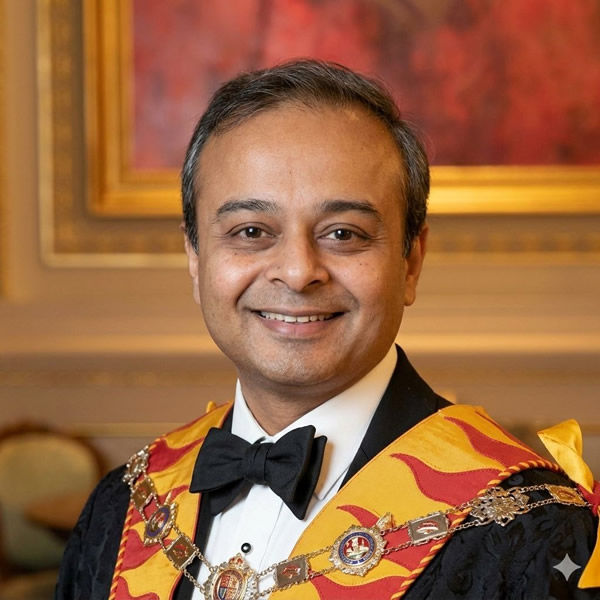
Ash was elected Master in April 2025 and will be invested at Drapers Hall on Wednesday 8 October.
Rt. Hon. Sam Onuigbo received his early education at Community Primary School, Obuohia Obi-Ibere, and Oboro Secondary Commercial School, Umudike, both in Ikwuano, Abia State. He later attended Alvan Ikoku College of Education, Owerri; Enugu State University of Science and Technology; and the University of Lagos. He also completed executive and professional training at the John F. Kennedy School of Government, Harvard University; the U.S. Department of State Foreign Service Institute; the Public Affairs Council, Washington, D.C.; and ASIS International, USA.
He worked for over 17 years at the U.S. Embassy in Nigeria, earning several Meritorious Honor Awards from the U.S. Department of State. His public service career includes roles as Special Adviser on Public Affairs to the Speaker of the 6th House of Representatives, Commissioner for Lands and Survey in Abia State, and later Commissioner for Finance and Economic Development.
Rt. Hon. Onuigbo represented the Ikwuano/Umuahia North/Umuahia South Federal Constituency in the House of Representatives from 2015 to 2023. Internationally, he serves as Vice President (Africa) of the Global Legislators Organisation for a Balanced Environment (GLOBE) and Senior Advisor to Climate Parliament.
Widely recognised as the sponsor and driving force behind Nigeria’s Climate Change Act 2021, Rep. Onuigbo has received numerous national and international honours for advancing climate legislation and environmental sustainability. In November 2023, Business Insider named him among 30 Global Leaders on Climate Change. He was also recognized by the 10th House of Representatives as a worthy ambassador and inducted into the National Assembly Most Valuable Parliamentarian Hall of Fame, Class of 2023.
A Knight of John Wesley of the Methodist Church Nigeria, he is the President-designate of GLOBE Legislators.
Rt. Hon. Benjamin Okezie Kalu, Ph.D, CFR, is the Deputy Speaker of the 10th House of Representatives of the Federal Republic of Nigeria, where he represents the Bende Federal Constituency of Abia State. He is a seasoned legislator, legal practitioner, international businessman, peace advocate, and global thought leader in governance and development.
Kalu’s career spans over two decades of impactful service across the public and private sectors. He began as Chairman, Bende Local Government Area of Abia state, and later served as Executive Adviser to the Governor of Abia State on Millennium Development Goals (MDGs) and International Relations before rising to national prominence in the House of Representatives. First elected in 2019, he distinguished himself serving as the Chairman, House Committee on Media and Public Affairs as well as the Spokesperson of the House where he championed the Green Chamber magazine to intimate Nigerians of the activities of the 9th Assembly. A role is handled with clarity, diplomacy and excellence.
As Deputy Speaker of the 10th House of Representatives and Chairman of the House Committee on the Review of the 1999 Constitution (as amended) he leads one of the most consequential national assignments, shaping constitutional reforms that deepen democracy, inclusion, and national unity.
He also represents Nigeria on the global stage as Chairman of the ECOWAS Parliament Committee on Administration, Finance and Budget; Member of the Pan-African Parliament; Steering Committee Member of the WTO Parliamentary Conference; and Member of the Inter-Parliamentary Union (IPU).
Academically, Kalu is deeply grounded. He holds a Ph.D. in Public Policy and Strategic Studies (University of Abuja), an LL.M in Terrorism & International Humanitarian Law (Distinction) (University of Calabar), an MBA from Oxford Brookes University (UK), and a Bachelor of Laws (LL.B Hons.) from the University of Calabar.
He has further enriched his expertise through executive programs at prestigious institutions, including; Leadership for the 21st Century, Harvard Kennedy School, USA, Governance & Development Program, Miami Herbert Business School, University of Miami, USA, Environmental Crimes, United Nations Interregional Crime and Justice Research Institute (UNICRI), Italy, Migration and Human Rights, John Cabot University, Italy, Illicit Trade, University of Groningen, Netherlands, International Commercial Arbitration, Chartered Institute of Arbitrators (CIArb), UK.
His scholarly contributions include published works on climate adaptation policy, food security, and security sector reforms in Africa, underscoring his role as a scholar-practitioner bridging research and governance.
In the private sector, Kalu has held various leadership positions across Africa, Europe, and Australia including as Director at Solcarbon SA-NV (Belgium), Ozbok Australia PTY LTD (Sydney), and Belcarbon SA (Belgium). He also serves as Principal Arbitrator at Silk Partners LLP (Nigeria), where he advises on commercial law, arbitration, and international business strategy.

Panels:
Agenda & Programming:
SOStainability is a global enterprise dedicated to promoting sustainability and responsible climate action across businesses, communities, governments, and non-governmental entities. With headquarters in the United Kingdom, our work centres on helping organisations deliver meaningful value to stakeholders by strengthening the balance between Nature, Humanity, and Society to assure a resource-secure tomorrow. We also focus on structuring credible bridges between African institutions and global investment ecosystems. This focus on Africa stems from our extensive experience working with African institutions, communities, businesses, and government. SOStainability publishes a weekly column in THISDAY Newspaper (one of Nigeria’s leading national dailies) to create awareness, engage stakeholders, and publicise the sustainability initiatives of public and private entities.
GLOBE Legislators is a non-partisan, cross-party parliamentary organisation dedicated to improving governance for sustainable development. Founded in 1991 by Senators Al Gore, John Kerry and their counterparts in the European Parliament, Russian Duma and Japanese Diet, GLOBE has grown to include legislators from every global region. GLOBE members have been instrumental in creating legislation on climate change, biodiversity and natural resource protection in parliaments across the world. GLOBE’s work supports implementation of the Rio Conventions (climate change, biodiversity, desertification), the Sendai Framework on Disaster Risk Reduction, and the UN Sustainable Development Goals. Since COP26 in Glasgow in 2021, GLOBE has served as the first-ever UNFCCC Focal Point for the Parliamentary Group, providing a platform for more effective engagement by the world’s parliamentarians in global and regional climate change and sustainable development policy processes.
The London Climate Action Week has evolved into the leading and most consequential global climate platform, working with the COP Presidencies and the UNFCCC to build momentum and shape diplomacy and shape investment ahead of COP31 in Antalya. LCAW annually convenes governments, trade representatives, development finance institutions, asset managers, corporates, and philanthropic capital into a concentrated week of formal and informal engagement across Westminster and the City of London. The proximity to Parliament, Whitehall, and global capital markets makes it a strategic environment for shaping policy-finance alignment.
In June, during London Climate Action Week (LCAW) 2026, GLOBE will mark its 35th Anniversary at the UK Parliament. This important event will bring together GLOBE founders, Members of Parliament across the world, from the GLOBE family, heads of financial, academic, civil society, etc., at an important event at the UK Parliament.